
Understanding the psychology of casino players What drives their choices
The Allure of the Casino Environment
The casino environment is meticulously designed to captivate and engage players. Bright lights, enticing sounds, and vibrant decor create an atmosphere that stimulates excitement and anticipation. In this captivating space, players can find useful resources such as https://pincocasino.ca/banking/, which facilitate secure financial transactions. This immersive experience can obscure the rational decision-making processes typically employed in everyday life, allowing players to become absorbed in the thrill of gambling.
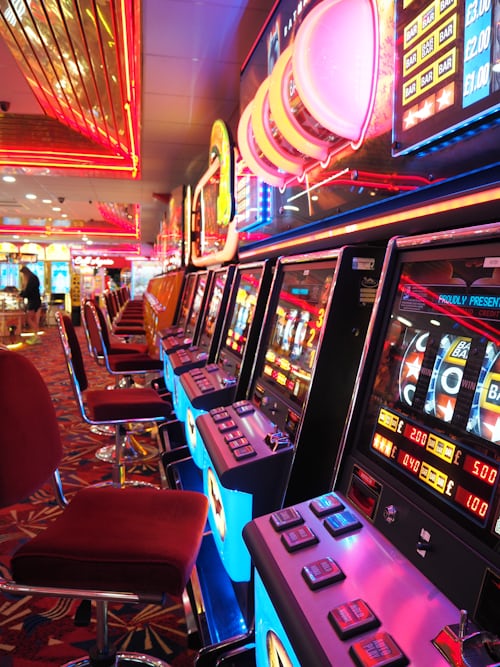
Moreover, the layout of the casino plays a significant role in influencing player behavior. The strategic placement of games, the availability of refreshments, and the design of pathways are all tailored to encourage prolonged engagement. Players may find themselves wandering from one game to another, often losing track of time and money. This environment contributes to a psychological state known as the “gambling trance,” where players feel less in control and more vulnerable to impulsive decisions.
Mental Triggers and Behavioral Patterns
Cognitive biases and mental triggers play a pivotal role in the decisions made by casino players. For instance, the illusion of control can lead players to believe that they can influence outcomes, especially in games of chance like slot machines. This psychological phenomenon gives rise to behaviors such as players continuing to gamble in hopes of achieving a perceived ‘hot streak’ or believing that they can predict the next winning outcome, even when outcomes are statistically independent.
The ‘near-miss’ effect is another psychological trigger that impacts player behavior. When players experience outcomes that are close to a win—such as spinning a slot machine and landing just one symbol short of a jackpot—they often feel encouraged to continue playing. This illusion creates a false sense of success and can lead to extended gambling sessions, despite the lack of actual financial gain.
The Role of Emotional States
Emotions are powerful drivers of decision-making in a casino context. Players often gamble to escape from reality, using the thrill and excitement as a means to cope with stress or negative emotions. The adrenaline rush associated with winning, or even the hope of winning, can elicit feelings of joy and elation that create a temporary escape from daily concerns. The dynamics of emotional states are particularly relevant in platforms like Pinco Casino, where players seek both distraction and exhilaration.
Conversely, negative emotions can lead to destructive gambling behaviors. Players experiencing anxiety, depression, or loneliness may turn to gambling as a form of distraction, often leading to further emotional and financial turmoil. This pattern can perpetuate a cycle where gambling becomes a maladaptive coping mechanism, further exacerbating feelings of despair and helplessness.
Additionally, the interplay of emotions and decision-making in casinos highlights the importance of understanding one’s emotional state before engaging in gambling activities. Being aware of these emotional triggers can empower players to make informed choices, helping to mitigate the risks associated with compulsive gambling behaviors. This aspect of gambling psychology underscores the significance of emotional intelligence in fostering responsible gaming habits.
Strategic Thinking and Risk Assessment
Strategic thinking in gambling often revolves around calculating risks and potential rewards. Players frequently analyze game odds, payout structures, and past performances to make informed choices. For instance, experienced poker players may rely on a combination of probability and psychology to outsmart their opponents, demonstrating that decision-making in gambling can extend beyond luck to encompass skill and strategy.
However, the presence of cognitive biases, such as overconfidence and availability heuristic, can skew a player’s risk assessment. Overconfidence may lead players to believe they have an edge over the house, resulting in irrational bets or aggressive gameplay. Conversely, players might become overly cautious after a series of losses, impacting their willingness to engage with certain games or strategies.
Moreover, understanding the balance between risk and reward is crucial for effective decision-making. Players who can articulate their strategies while remaining adaptable to changing circumstances often experience greater success. Developing these skills requires practice and self-awareness, underscoring the necessity of approaching gambling not just as a game of chance but as a complex interplay of strategy and psychology.

Online Casino Dynamics and Modern Challenges
The rise of online casinos has transformed the gambling landscape, creating unique psychological challenges for players. The virtual environment eliminates traditional barriers, such as travel and social stigma, making it easier for individuals to engage in gambling. This accessibility can exacerbate gambling issues, as players may struggle to set limits in a private, less regulated space.
Furthermore, online casinos leverage advanced technologies, such as algorithms and data analytics, to enhance user engagement and retention. These platforms often employ strategies that mimic the excitement of traditional casinos while incorporating features like bonuses and gamification elements, which can make it difficult for players to recognize when their gambling may be becoming problematic.
To navigate the complexities of online gambling, players must develop a keen understanding of their behaviors and emotional responses. Engaging with responsible gaming resources offered by platforms like Pinco Casino Canada can also provide essential tools for maintaining control over gambling habits. The integration of psychological insights into the online gaming experience emphasizes the importance of informed decision-making in modern gambling contexts.